What does Esther Perel observe about limerence?
6 min read
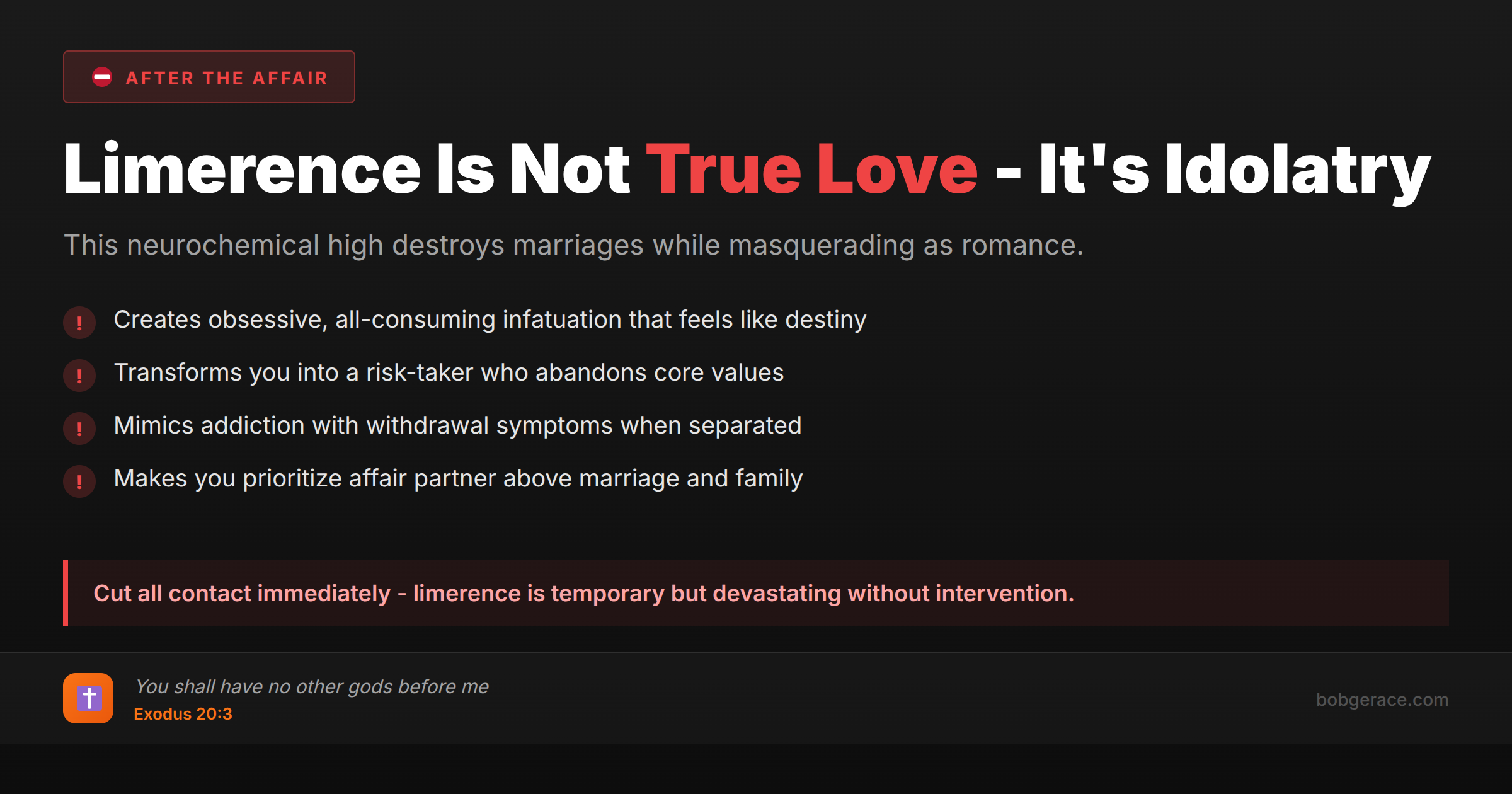
Esther Perel, renowned couples therapist and infidelity researcher, identifies limerence as a key driver in many affairs - describing it as an obsessive, all-consuming infatuation that creates a false sense of urgency and meaning. She observes that limerence transforms ordinary people into risk-takers who abandon their values, making decisions they never thought possible. Perel notes that this neurochemical state mirrors addiction, creating withdrawal symptoms when separated from the affair partner and compelling individuals to prioritize the relationship above everything else, including their marriage and family. She emphasizes that limerence is temporary but devastatingly powerful, often mistaken for true love when it's actually a biochemical high that clouds judgment and destroys lives.
The Full Picture
Esther Perel's groundbreaking research on infidelity reveals limerence as one of the most destructive forces in modern marriages. In her extensive work with couples, she's observed how this obsessive infatuation state hijacks the brain's reward system, creating what she calls "the affair fog" - a altered state of consciousness where rational thinking becomes nearly impossible.
Perel's Key Observations About Limerence:
- Neurochemical Hijacking: She describes limerence as a drug-like state that floods the brain with dopamine, norepinephrine, and serotonin, creating an addictive cycle of craving and temporary satisfaction.
- Identity Transformation: Perel notes that people in limerence often feel like they've discovered their "true self" with the affair partner, when they've actually entered a dissociated state disconnected from their authentic values and commitments.
- Time Distortion: She observes that limerent individuals lose perspective on time - a few months of affair intensity feels more significant than decades of marriage history.
- Compartmentalization: Perel documents how limerence enables extreme compartmentalization, allowing people to maintain double lives while believing they're justified in their actions.
- Withdrawal Symptoms: She's witnessed how ending limerent affairs creates genuine withdrawal symptoms - depression, anxiety, physical pain, and obsessive thoughts about the affair partner.
Perel emphasizes that understanding limerence is crucial for both betrayed spouses and unfaithful partners because it explains behaviors that seem inexplicable and helps frame recovery in realistic terms.
What's Really Happening
Building on Perel's observations, I see limerence as a perfect storm of neurochemistry, unmet emotional needs, and situational vulnerability. What makes Perel's work so valuable is her recognition that limerence isn't just "being selfish" - it's a genuine altered state that requires specific intervention strategies.
In my clinical practice, I've observed that limerent affairs follow predictable patterns that align with Perel's research. The obsessive thinking, the inability to focus on anything else, the physical symptoms when separated from the affair partner - these aren't character flaws, they're neurochemical realities that must be addressed medically and therapeutically.
Perel's insight about the "quest for aliveness" is particularly relevant. Many of my clients in limerent affairs describe feeling more alive than they have in years, but this intensity is artificial - like the high from stimulants. The crash is inevitable and devastating.
What I find most helpful in Perel's approach is her emphasis on understanding rather than condemning. Limerence doesn't excuse betrayal, but understanding its mechanics helps both partners approach recovery more effectively. The betrayed spouse can //blog.bobgerace.com/emotional-neediness-christian-marriage-stop-making-her-mother/:stop taking the affair partner's "specialness" personally, and the unfaithful spouse can recognize they've been in an altered state that requires time and specific interventions to resolve.
Recovery from limerent affairs typically takes 12-24 months of complete no-contact with the affair partner, combined with intensive therapy to address the underlying vulnerabilities that made limerence possible.
What Scripture Says
While Esther Perel's research provides valuable clinical insights, Scripture offers the ultimate framework for understanding and overcoming limerence. God's Word reveals that what Perel calls limerence is essentially idolatry - placing another person in the position that belongs to God alone.
"You shall have no other gods before me. You shall not make idols" (Exodus 20:3-4). Limerence transforms the affair partner into an idol, becoming the source of meaning, identity, and emotional regulation that should come from God.
"Above all else, guard your heart, for everything you do flows from it" (Proverbs 4:23). Limerence happens when we fail to guard our hearts, allowing obsessive thoughts and fantasies to take root and grow.
"Each person is tempted when they are dragged away by their own evil desire and enticed" (James 1:14). This perfectly describes the limerence process - being dragged away by desires that seem irresistible but lead to destruction.
"No temptation has overtaken you except what is common to mankind. And God is faithful; he will not let you be tempted beyond what you can bear" (1 Corinthians 10:13). Even the intense pull of limerence can be overcome through God's strength.
"Take captive every thought to make it obedient to Christ" (2 Corinthians 10:5). This is the antidote to limerent obsession - deliberately submitting every thought about the affair partner to Christ's lordship.
"Be transformed by the renewing of your mind" (Romans 12:2). Recovery from limerence requires complete mental renewal, replacing obsessive thoughts with God's truth about love, marriage, and identity.
While Perel's insights help us understand the mechanics of limerence, only God's power can break its hold and restore genuine love and commitment to marriage.
What To Do Right Now
-
1
Recognize the altered state - Understand that limerence is a neurochemical condition, not true love, and affects decision-making ability
-
2
Cut all contact immediately - Complete no-contact with the affair partner is non-negotiable for limerence recovery
-
3
Seek professional help - Find a therapist experienced in treating limerent affairs and potential medication for withdrawal symptoms
-
4
Implement thought-stopping - Use Scripture meditation and prayer to interrupt obsessive thoughts about the affair partner
-
5
Focus on marriage recovery - Channel energy into rebuilding your marriage rather than processing the affair relationship
-
6
Prepare for withdrawal - Expect depression, anxiety, and physical symptoms as the limerence chemicals leave your system
Related Questions
- What is limerence?
- Is she in love or in limerence?
- How long does limerence last?
- What is the neuroscience of limerence?
- What does Shirley Glass research say about affair recovery?
- What's the 'affair bubble' and how does it pop?
- Why does she seem like a different person?
- She says she's never felt this way before
- What is the typical limerence timeline?
- Can limerence become lasting love?
Also find Bob on
Subscribe for weekly videos on Christian marriage.
Your Marriage Isn't a Textbook Case
Limerence hits different in every story. A coach who knows yours can help you navigate the obsession, the withdrawal, the decisions you're facing right now.
Talk to Bob →