What is spiritual leadership in practice?
6 min read
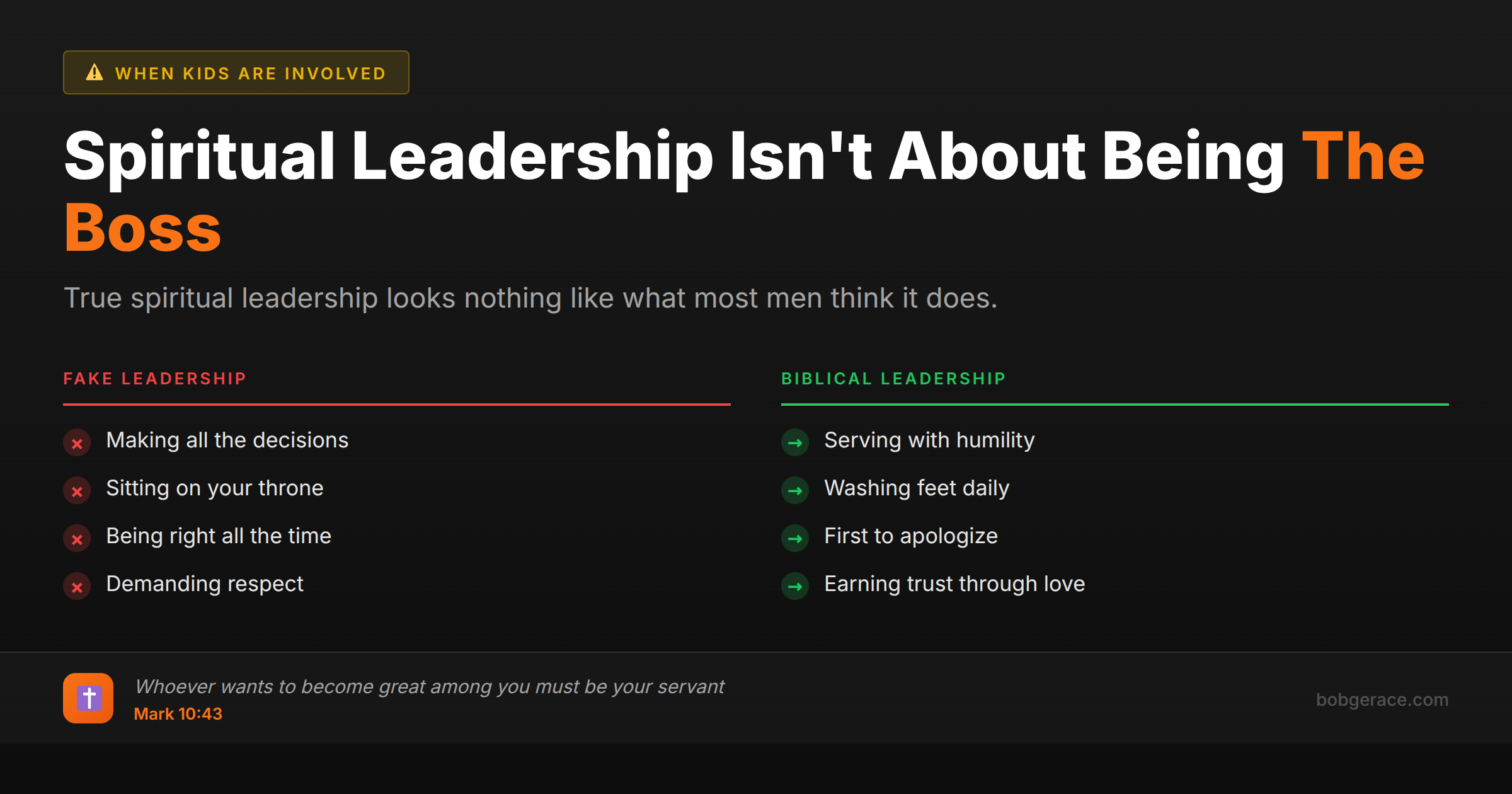
Spiritual leadership in practice isn't about being the boss or making all the decisions. It's about taking responsibility for the spiritual health and direction of your family while serving with humility and love. A spiritual leader initiates prayer, creates an environment where faith can flourish, and leads by example in character and integrity. Practical spiritual leadership means being the first to apologize when you're wrong, creating regular opportunities for spiritual growth together, and making decisions that honor God even when they're costly. It's servant leadership that looks more like washing feet than sitting on a throne.
The Full Picture
Let me be straight with you - spiritual leadership has been misunderstood and misapplied in countless marriages, often turning into a power trip rather than a service opportunity. Real spiritual leadership in practice looks radically different from what many men think.
Spiritual leadership is proactive responsibility. You don't wait for your wife to suggest family devotions or decide when to address spiritual issues in your home. You take the initiative. This doesn't mean bulldozing over her input - it means you're the one who says, "Hey, let's pray about this together" or "I think we need to have a spiritual reset in our home."
It's leading through character, not control. Your wife doesn't follow your spiritual leadership because you demand it - she follows because she sees Christ in how you live. When you mess up (and you will), you're the first to own it. When tough decisions need to be made, you seek God's wisdom and your wife's counsel, then take responsibility for the outcome.
Spiritual leadership creates spiritual climate. You set the tone for how your family relates to God. This means being intentional about prayer, Scripture, and spiritual conversations. It means your home becomes a place where God is welcomed and honored, not through religious performance but through authentic relationship.
It's protective and nurturing. You guard your family's spiritual well-being like you'd guard them from physical danger. This includes what comes into your home, the influences you allow, and the spiritual battles you fight on their behalf through prayer and godly decision-making.
The bottom line: spiritual leadership is less about position and more about posture. It's the posture of a servant who takes responsibility for creating an environment where everyone in your family can grow closer to God.
What's Really Happening
From a clinical perspective, healthy spiritual leadership functions as what we call "secure attachment" within the family system. When a husband practices genuine spiritual leadership, he creates emotional and spiritual safety that allows everyone in the family to explore their relationship with God without fear or coercion.
The psychological research is clear: families thrive when there's consistent, servant-hearted leadership that provides both structure and emotional safety. This isn't about authoritarian control - that actually creates anxiety and resistance. Instead, it's about what psychologists call "authoritative" leadership: high in both warmth and appropriate boundaries.
I see many couples struggle because the husband either abdicates all spiritual responsibility (creating a leadership vacuum) or becomes overly controlling in the name of spiritual leadership (creating spiritual trauma). Both extremes damage the marriage relationship and the family's connection to God.
Healthy spiritual leadership demonstrates what psychologists call "emotional regulation" - the ability to remain calm, thoughtful, and responsive rather than reactive during challenges. When a husband can pray through difficulties, seek wisdom, and lead with both strength and gentleness, it creates what we call a "secure base" for the entire family.
The most effective spiritual leaders I've observed understand that influence is earned through consistency, humility, and genuine care for others' spiritual well-being. They create what family systems theory calls "differentiation" - they know who they are in Christ and can lead from that secure identity without needing to control others to feel important.
What Scripture Says
Scripture gives us a clear picture of what spiritual leadership should look like in practice, and it's consistently rooted in service and sacrifice.
The Foundation: Servant Leadership *"Whoever wants to become great among you must be your servant, and whoever wants to be first must be slave of all."* - Mark 10:43-44 Jesus redefined leadership entirely. In your marriage, greatness comes through serving your wife's spiritual growth, not demanding her submission.
The Model: Christ and the Church *"Husbands, love your wives, just as Christ loved the church and gave himself up for her to make her holy, cleansing her by the washing with water through the word."* - Ephesians 5:25-26 Christ's leadership involved sacrifice and sanctification. Your spiritual leadership should help your wife become more like Christ, not more compliant to your preferences.
The Character: Humility and Responsibility *"All of you, clothe yourselves with humility toward one another, because 'God opposes the proud but shows favor to the humble.'"* - 1 Peter 5:5 Spiritual leadership requires the humility to admit when you're wrong, ask for forgiveness, and change direction when needed.
The Method: Leading by Example *"In everything set them an example by doing what is good. In your teaching show integrity, seriousness and soundness of speech that cannot be condemned."* - Titus 2:7-8 Your family watches your life more than they listen to your words. Spiritual leadership happens through consistent godly character.
The Purpose: Spiritual Growth *"Like newborn babies, crave pure spiritual milk, so that by it you may grow up in your salvation."* - 1 Peter 2:2 Your goal isn't compliance - it's helping everyone in your family grow in their relationship with God.
Scripture never presents spiritual leadership as domination. It's always sacrificial service that creates space for others to flourish spiritually.
What To Do Right Now
-
1
Start leading family prayer time - even if it's just 5 minutes before dinner, take the initiative to pray together
-
2
Create a regular time for spiritual conversation - ask your wife about her spiritual growth and share your own struggles and victories
-
3
Take responsibility for addressing spiritual issues in your home - if there are ungodly influences or patterns, address them lovingly but decisively
-
4
Lead by example in confession and repentance - be the first to own your mistakes and ask for forgiveness when you blow it
-
5
Initiate spiritual growth activities - suggest books to read together, sermons to discuss, or ways to serve others as a family
-
6
Protect your family's spiritual well-being through your decisions - consider the spiritual impact of your choices about time, money, entertainment, and relationships
Related Questions
- How do I lead in prayer and Bible study?
- How do I be the spiritual leader?
- What does 'love your wife as Christ loves the church' mean?
- What is 'servant leadership'?
- What does Christ's leadership model for husbands?
- How do I earn the right to lead?
- How do I become the husband she needs?
- What does masculine leadership look like?
- How do I lead without controlling?
- How do I model Christ to my kids in this?
Also find Bob on
Subscribe for weekly videos on Christian marriage.
Leading Your Actual Marriage
Spiritual leadership looks different in every marriage. A coach who knows your story can help you lead yours—not some ideal version.
Talk to Bob →